What is dry needling?
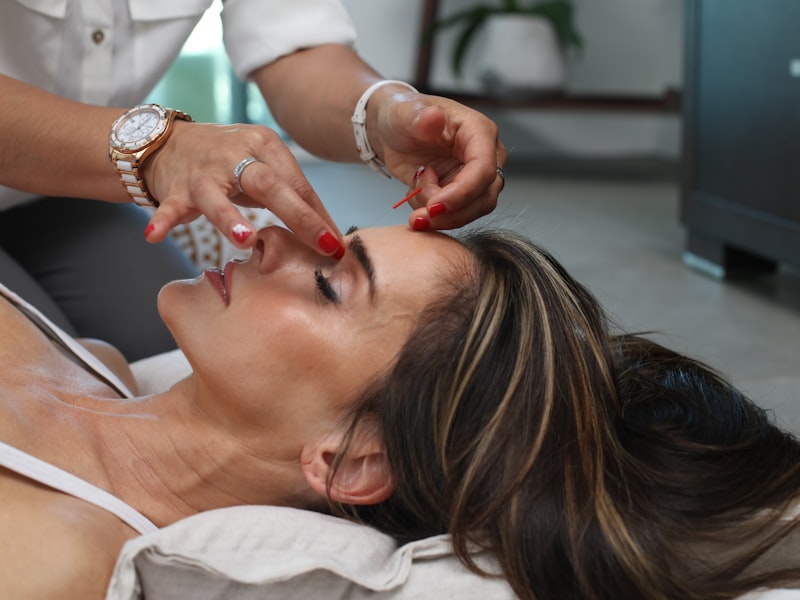
Dry needling is one of the techniques myotherapists really specialise in, and it’s a favourite of mine for the knots that just won’t shift. It uses fine, filiform needles — the same sort acupuncturists use, though we’re working from completely different principles — aimed straight into a myofascial trigger point. That’s the proper name for those tight little “knots” that ache, refer pain elsewhere, and stop you moving the way you’d like.
How it works
When the needle reaches the knot it sets off a small twitch response that physically breaks it down. That does a few useful things at once:
- Releases the built-up tension in the muscle
- Brings fresh blood flow into the area
- Kicks off your body’s own healing response
- Settles the pain signals heading to your brain
In my experience it’s the most effective way to release a trigger point and keep the muscle relaxed for longer, rather than having it tighten straight back up.
What it can help with
- Ongoing neck and back pain
- Headaches and migraines
- Shoulder impingement
- Tennis and golfer’s elbow
- Hip and knee pain
- Plantar fasciitis
- Jaw pain (TMJ)
- Sporting injuries
What to expect
When the needle finds the spot you might feel a quick twitch or a dull ache — honestly, that’s a good sign, it means we’ve landed in the right place. Most people are surprised by how manageable it is.
Afterwards you might be a little tender, a bit like the day after a good workout. That usually settles within a day or two, and plenty of people walk out already moving more freely than they came in.